Nothing for Ashley embodied Valentine’s Day, and its supplicating nuance, like five-dollar moonshine tastings, mountain coasters, Marlboro Reds dipped in bourbon, Morgan Wallen, bearded ladies, cabin stinkbugs, puking in a river & one sky bridge to rid that phobia always keeping her down—all from the reassurance of the first trimester…
For the record, she had not touched a drop of alcohol during pregnancy. No puff of smoke, narcotic, or engaged in any centripetal force that, while delightful, would surely corrupt the development of our child. What kind of sickos were the ones that read this slop anyhow? To defame us both as parents so quickly. Unless of course we went back to the night before Christmas, where Ashley was roughly a month in, and she devoured two mistletoe martinis before Santa knew what hit him.
But that was then. Back when we were a couple of frivolous dinks. Thinking we had the world figured out and living for ourselves. It was all too easy. Though however easy life was, the more time we had left to realize how empty it all became.
Christmas Day for the first time felt strange. Gifts were presented no doubt and food was eaten, music played, but our love felt somewhat constricted to our apartment. Growing pains perhaps; the sincere yearning for that which was unseen. Not long after, before New Year’s, I received a text around lunchtime that she was pregnant.
My heart soared on countless emotions, quietly at my desk. I raced home and, climbing the concrete stairs, my legs flew out from under me. Grey windowpane trousers and chocolate loafers on my feet. Both from Ashley just days before, still being broken into, like she dressed me for the occasion. I opened the door and found her eyes worried, desperate, panicked.
Embracing her I said, “Looks like you were more fertile than we thought.”
“No Derek, how did this happen?” She smiled nervously, then her eyes rolled back, almost like she heard the moronic response I would say already.
“Well y’know when you’re trying these things happen.”
“We didn’t try very long.”
“And that’s such a blessing.”
“I know.”
“Where is the test? I wanna see.”
She pointed to the ensuite where I put my head down after it. But when I saw the testing strip on the edge of the counter I stopped. I had yet to turn on the lights, allowing the dimness of the room to conceal the result a while longer—even though I already knew what it was. I was relishing the inevitable. Sometimes it was good to feel a smile surface.
With one switch my life changed for the better; my eyes basked in the joy of two, solid lines. Crossed together, for it took the both of us to add another. There was no mistaking it or any faintness about them. Apparently they came at an instant; whatever was in my wife’s urine was strong, and again—no opioids contributed to that.
Despite being cautiously optimistic, we withheld an announcement to the family. Let alone on Facebook, which, often felt presumptuous. Only our parents knew. Aware of the complications that pregnancy had a way of slipping into the mix, often unapologetically, we gave the process our sincerest reverence. This was nothing short of life’s most transcendent blessing that came only from God—it was a moment to slow down, unplug, and cherish. Not grease up our wheels for the online rat race to dissect.
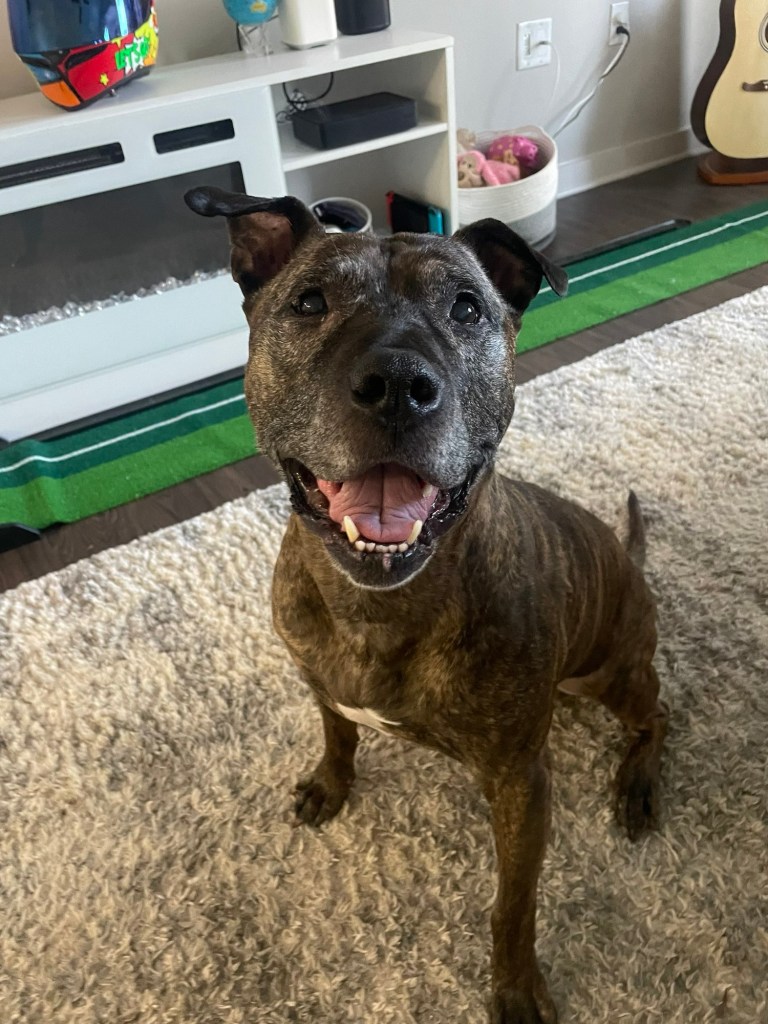
We already had a rat and her name was Ophelia. I looked into her eyes as she was howling at me to take her outside. Jabbing her stick arms into me with nails of broken glass that broke the skin. She needed more than just a potty; she needed a vacation. Somehow I always knew.
Pigeon Forge never left my mind. Because fall and football season made it a point to cram Dollywood into every orifice along with gambling adverts that saw Kevin Hart doing some cramming of his own. It was also highly recommended around the water cooler. Word of mouth proved yet again that it had the power to pull strings, further than the ones visible to the naked eye.
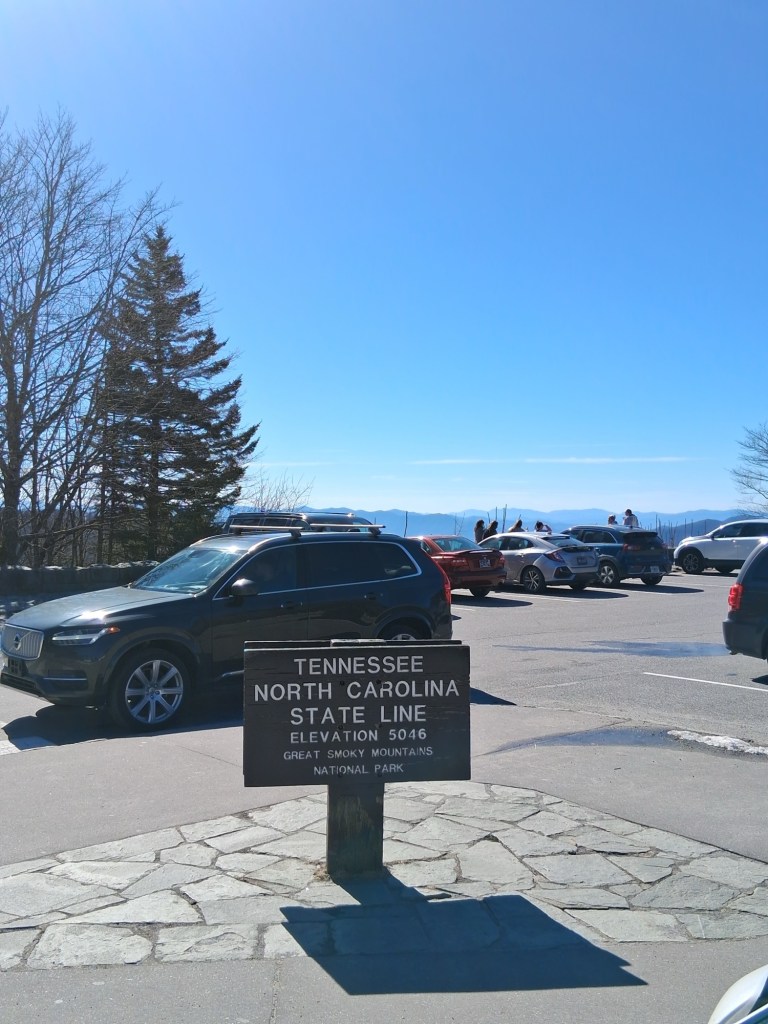
Yet despite our worst efforts, the flood of Helene kept us at bay for well over a year. The main valve connecting Tennessee and North Carolina burst as the torrent began, which devastated one million cubic yards of rock. Into the river I-40 went like the spilling of thunder. It wouldn’t be until late 2028, three billion dollars later, that both lanes were anticipated to reopen.
We found all this out when we got there however. Traffic reduced to a crawl as only one lane in either direction was traversable. I glanced over where the landslide occurred and heard my knuckles tighten into the leather wheel. We were suspended on a concave cliff like the eastern tip of Minnesota. That was the last I looked because Ashley was in the car and she was carrying our son.
There was a lot riding on this trip as I booked the Airbnb without her knowledge; a romantic surprise to combat the nausea she was experiencing. And when we first arrived I felt validated by the view. Layers upon layers of Blue Ridge mountains that sunk deep into the heart of the smoky, sherbet sky.
Floating up the brick flagstones, I saw a ceramic gnome sprawled out on top of a mushroom that said “Welcome”.
“They even got gnomes here,” I said confidently, reminded of my grandfather who collected them, while punching in the combo.
Once open, Benny ran in first to inspect what soon became buyer’s remorse: “Ohh, it’s a cabin alright,” Ashley said with a brave face.
We moseyed through the narrow kitchen between the stove and breakfast nook and around the bend to a sunroom that held two pieces of patio furniture. The cushions were an unnerving blueprint blue, thin, and consistent with water repellent texture. Misty windows wrapped the enclosure with spectacular views of the mountains, if looked at with a bit of imagination, yet the windows themselves were wrapped in plastic.
“To preserve the freshness?” I thought. Then, inching closer my eyes scanned the sill where stinkbugs curled dead on their backs—some still twitching. Row after row they fashioned a burial ground. Perhaps the freshness being preserved here was outdoors, sparing it from an inner decay, like spoiled leftovers in the back of the fridge. Ophelia didn’t seem to notice or care as she curled up next to them.
Although I was in a state of shriveling denial, the original cabin had yet to be explored. For the L-shaped corridor was a newer addition, designed to accommodate as a full rental. If the suspense wasn’t already enough, across the hall were two humongous curtains, wider than a regular doorframe, like a barn, concealing where we’d turn in for the night.
On the righthand side, illustrations of it being built in 1906 added to the allure. Circular logs dovetailed and sealed up with mortar by strange folks that never smiled. Bearded ladies and giants that were more than likely descendants of the Rothschild’s or freemasons—if there was any distinction between the two I wasn’t made aware of it.
I peeled back the stage curtains but was met with no applause. The inner sanctum was void of any life. It was noticeably colder inside as well which served as another cost-saving reminder that the host was running a business. A vibrant fishing lure dangled from the ceiling with a long chain that crawled upwards into the abyss of the a-frame. Probably a lighted ceiling fan. I started tugging at it but nothing happened. My mind went to the twilight zone of the ocean depths, where I was the prey of an angler fish. Nervously I turned around to the wall for the switch but all around my feet were animal droppings.
“Why is there sh— everywhere?!”
Ashley and I looked at it a second and realized the shape was consistent with Benjamin’s: “It’s a bad omen,” she muttered. Later in the night we found that out to be true.
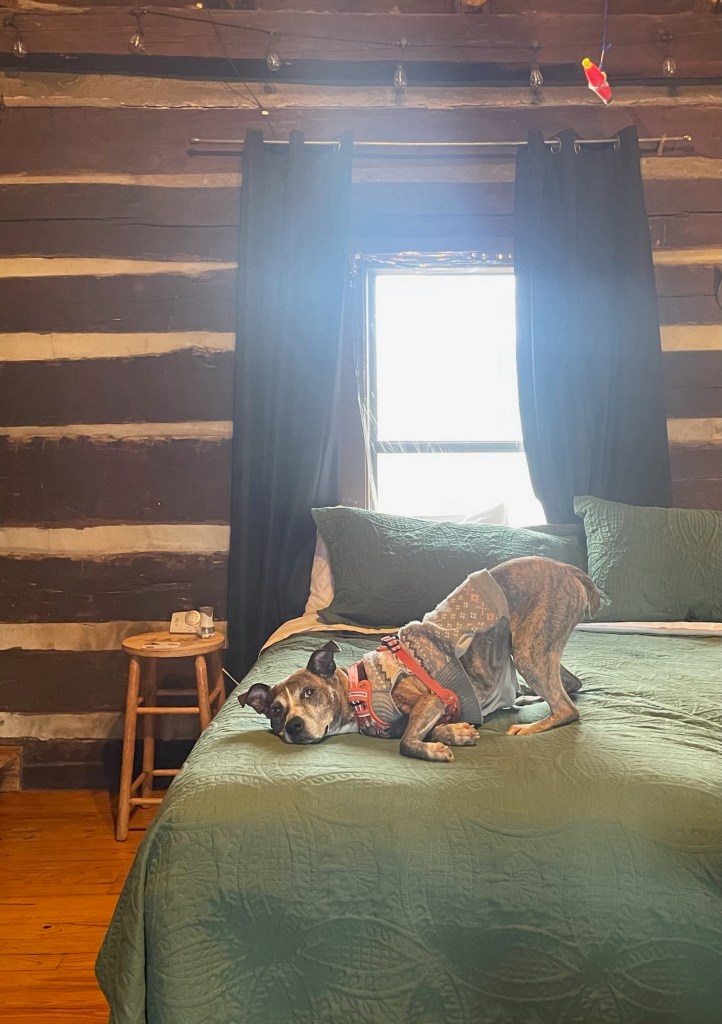
Once the sun exchanged with cabin glow did the infestation fully materialize. In the stillness, we heard creeping legs patter around our heads. Isolated buzzing turned into hot spots, where they were pouring in from neglected crevices throughout. The cracks were undoubtedly starting to show.
Ashley ran to the bathroom for solace so that for just a moment she could feel clean again. Yet the water from the well had turned rotten. Wafts of sulphur oozed into the kitchen and around the bend, almost like we were back in the vapor caves in Colorado.
Without the lights on they were infiltrating on top of the comforter. This was a disaster and I knew I let my pregnant wife down. How was any of this romantic? How were we supposed to leave this mountaintop at midnight? In the far corner, I left a floor lamp on that preoccupied the stinkbugs until morning. We suffocated under the covers and barely slept a wink.
At dawn’s first light we departed, and the rest of the trip I spent fighting the host for a full-refund. We slinked out onto the normally congested strip in Pigeon Forge where we regrouped at a pancake house. We couldn’t eat inside because of the dogs, but that was alright for we both smelt like rotten eggs; I took a rancid shower too…
Never before was a trip so in jeopardy, at least this early on, where we figured it best to head home. Cut our sleep-deprived losses to somewhat salvage the time remaining, before work’s feverish grip whipped us back into line. There were repressed memories that required a scentless shower-head to fully cry out, and the time to do so varied.
I’ve been on camping trips in the dead of summer that saw less insects, and it was February in the high country. Rogue trickles caught in the shade of the hillside were still iced over, waterfalls too. The temperature wasn’t freezing by any means, but it wasn’t mild enough to consider tacking on the bug spray. Though it wouldn’t be us to retreat so easily. Instead, we doubled down right outside of Smoky Mountain National Park.
“Well, it was Gatlinburg in mid-July
And I just hit town and my throat was dry
Thought I’d stop and have myself a brew
At an old saloon on a street of mud
There at a table, dealing stud
Sat the dirty, mangy dog that’s named me Sue” — Johnny Cash
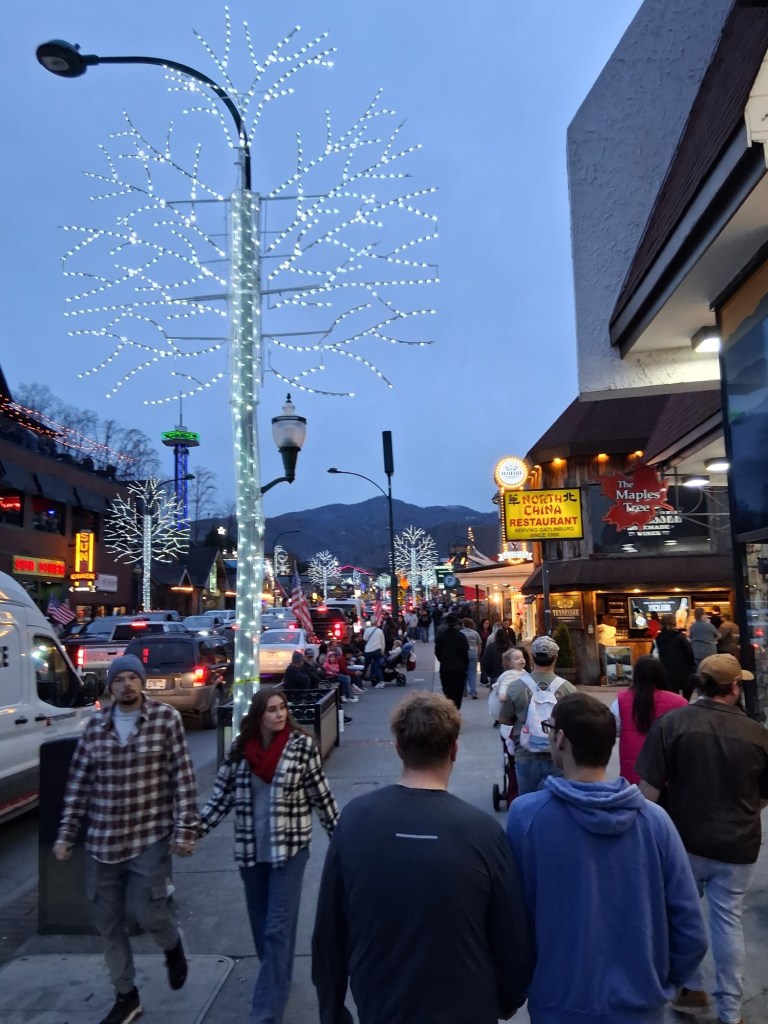
The strip in downtown Gatlinburg was intoxicating. With vibrant storefronts equipped with larger-than-life sculptures that children clung to for their family photos, met with rugged earth tones, flannel patterns, and wooden beams of country cabins. It was like Myrtle Beach in the mountains. Swarms of people blanketed the sidewalks, continually crossing the strip which made for an arduous stop and go.
Fortunately our hotel was well within walking distance, and we vowed to leave the Subaru behind for a while. My eyes felt like someone put putty on them. A day’s worth of driving was one thing, but driving in the mountains, through downshifts and steep bends, without an end in sight was another.
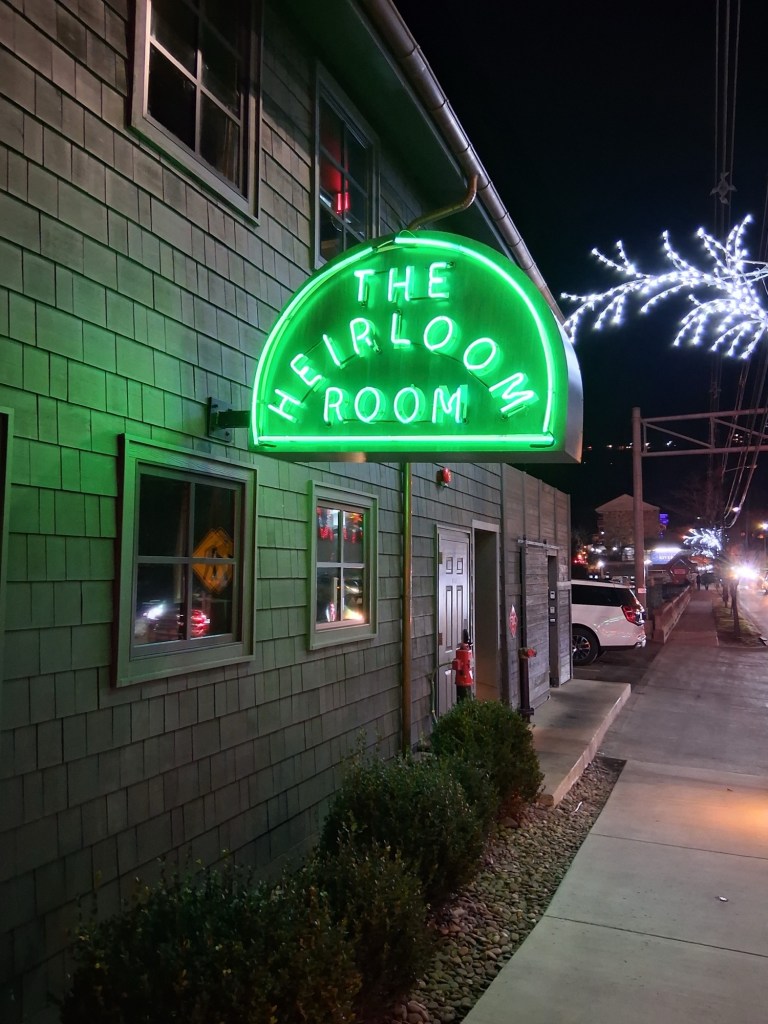
That evening I felt encouraged to quell our famished hearts with something up the stair. Where every dish was a different meat and the servers spoke funny. The Heirloom Room, lit in green neon on a protruding semicircle, was just that. A light for us to be drawn into for a change. We ordered a perfectly seasoned bowl of clam chowder along with some wild boar croquettes. Ashley got the salmon and I had the lamb. Slowly our eyes returned, replenished in the softly lit room. We were in the very back corner by the dry ager. Tall panels of windows painted black by the night came toasty to us. We were finally able to laugh again.
Our foreign waiter knew it was our anniversary and gave us a toasted almond apple pie, with fresh Chantilly cream. Even though my stomach was turning from the smorgasbord I had subjected it to, I simply couldn’t refuse; I was always a sucker for Chantilly cream. He recommended Sugarlands for a moonshine tasting, but he also went on to say that he doesn’t go out much—at least not anymore. His pointed chin tried to suppress the mischief in his smile.
We paid the tab and left, went back to the hotel where I could hear the excited screams next door of the mountain moonshine coaster, funneling in from the balcony. My heart pounded and my belly felt like I swallowed a dumbbell, but I was happy. Ashley gave me a few Tums to go to sleep. Ophelia rubbed her itchy chin in between my legs. It lulled me off into some well deserved rest.
The next morning I had a brief window to ride the coaster. Somehow it never stopped, whirring relentlessly in my dreams. After feeling torn since Ashley couldn’t join, I decided to go. For it hadn’t been since I was a teenager in Camelbeach, a resort in Mt. Pocono, that I last went on one. The line looked shorter than it did yesterday and at least I could wave to her as I waited.
Over the bridge on Little Pigeon River, a busy road stood in between the concrete stairs to the ticket booth. I crossed it in two chunks, stopping on the double yellow, and I feared our plans for the Sky Bridge might have to be cut. The traffic lights for Valentine’s Day were already filling out.
I paid for the wristband then quickly filed in line, trying to find her. A miniature Ashley stood with dark hair in the wind, leaning against the railing. We were about the same elevation up, just across the divide. My heart fluttered from her remote beauty. It was always moving to find her eyes searching for me, but from such a great distance away it was especially so. I interacted with the painting by stretching my arm out. It took a few tries but eventually she waved back. The cart jostled into gear and she watched me ascend into a copse of brittle trees, knowing that I brought life into them.
On mountain coasters, the speed controls were entirely at the discretion of the pilot. It was said in the reoccurring safety video that it was impossible to fly off the rails. But as I summited the peak and went round to the first big drop, which fed into a right angle, I couldn’t bring myself to test that theory.
Though like a tempered blade, the cart never buckled from beneath me. Even on the sharpest of cuts it was eerily quiet, unlike any traditional roller-coaster that screeched along. Topping out around thirty miles an hour, it was significantly slower but it felt much faster. I was giddy the entire two minutes down, and I knew I had to share this joy with something Ashley could do—we had to get to the Sky Bridge, and fast.
However, she was deathly afraid of heights. So could she really do it? If any trail straddled a cliffside too closely she would get vertigo. Like she did on the Beehive trail in Maine or Mt. Bierstadt in the Rockies; her father was the same way. Yet to my amazement, she reluctantly agreed. Even with the knowledge of the bridge’s most infamous glass section, that garnered “#PasstheGlass” online, Ashley was determined to conquer her fears once more.
In the midst of Main Street was a chairlift to get us there. The line wrapped and slinked around the building in a very convoluted manner, and the longer we waited the more doubts crept into her.
“Derek, this isn’t fun.”
“Sure it is! It’s baby’s first chairlift.”
“Then you and baby can go.”
“I don’t think that’s possible right now.”
“You remember what happened when I went skiing last, I fell off—I’m more afraid of this than the bridge.”
“Really?…honey, you’re not gonna fall off. I’ll put the bar down.”
“That doesn’t do anything! I can slip through the cracks. Oh my God!” Ashley muffled a scream, “Derek, no…we’re—”
“—Next,” The grizzly lift attendant said with a smirk, as he took his boot off the yellow seat in front of us. It slung forward on an exaggerated delay. Ashley’s grip fractured a few bones in my left hand.
We got on and she played it off like she normally did, with a laugh. I put the bar down in a hurry. When we were a safe distance off of the ground and the swinging stopped I made it a point to tease her. She informed me to not talk to her the rest of the way up, but she got a call from Dylan where she spoke to him just fine.
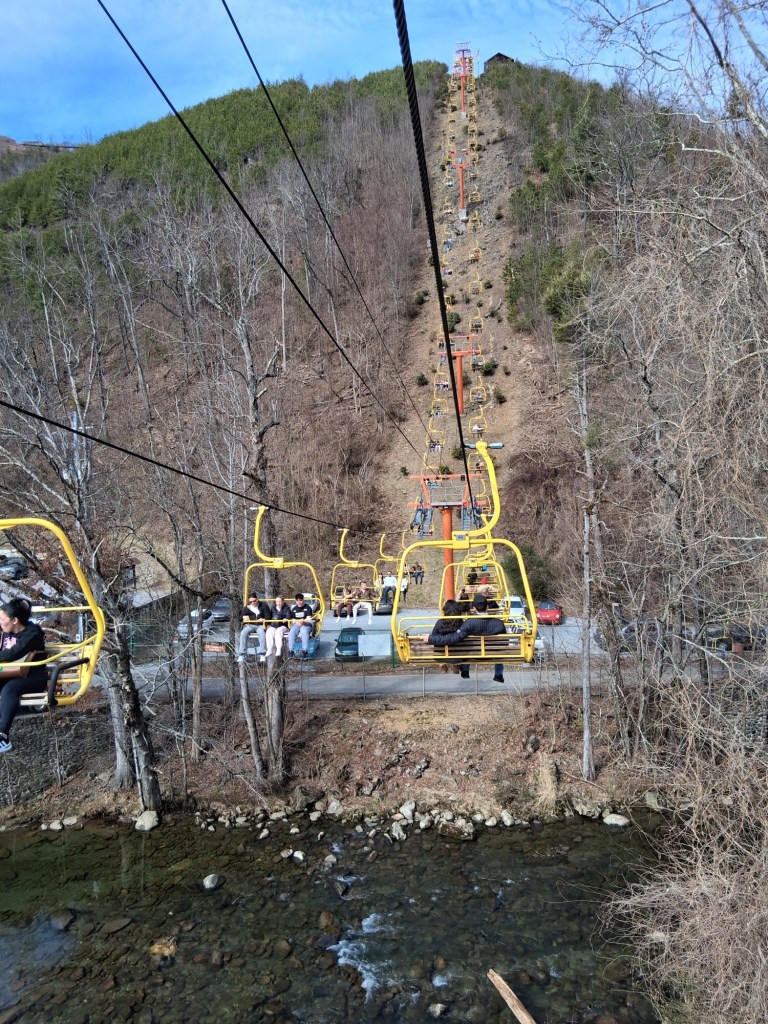
From their conversation it was apparent he was to join us. Ashley baited him with moonshine; a classic way to coerce Dylan into doing pretty much of anything was with alcohol. However, his roommate Zeke, a small but mighty outdoorsman, couldn’t make it because his on-and-off girlfriend cared to spend Valentine’s Day with him—how selfish. They were always on when we wanted them to be off. Of course, I too had a seafood dinner reservation with my wife and romantic evening planned thereafter, but who am I to keep siblings apart? Especially since he would be spending this one alone. Alas, the caveat to wrestling scholarships was that his lady went to school elsewhere. Ten hours away, elsewhere. Yet I always welcomed my brother, and at least I now had a drinking buddy.
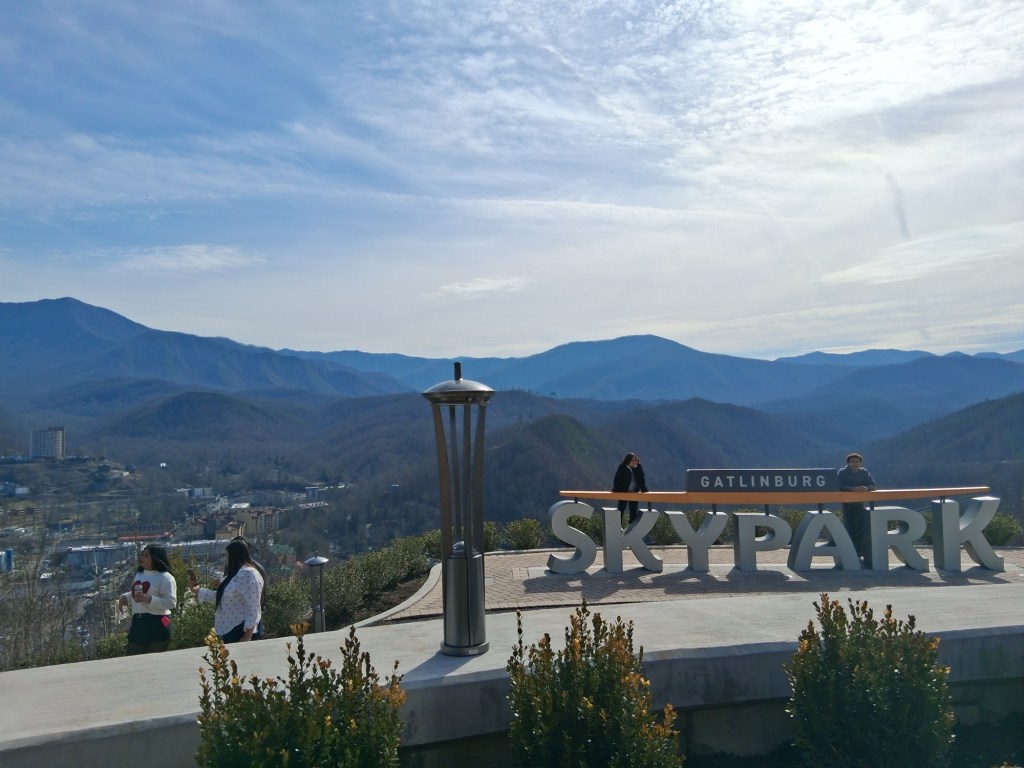
We got off the chairlift to a wondrous view of the Smokies. For a second they actually fooled us into thinking we were out West. Tall, formidable, and majestic blue peaks held up the sky. It had arguably the best view even from within the National Park. Although we weren’t able to observe Clingmans Dome while we were there, as the park road was closed for the season. It was a 360-degree viewing tower at the highest point in Tennessee, 6,643 ft.
The Sky Bridge was no featherweight however, spanning 680 ft. wide and held the title as the longest pedestrian cable bridge in North America. Ashley insisted that I go first but really I was just rubbing shoulders with a bunch of people before me. I felt like I was back on the road beneath the moonshine coaster with how packed it was. We wiggled our way to the glass, but Ashley was right—the lift was worse. Once across we got some refreshments and soaked in the view on wooden loungers until Dylan was closer.
“Ain’t enough sad songs down in Nashville, ain’t enough moonshine up in them hills to give her a good reason, to come home back to me in, TN.” — Morgan Wallen
Once we got down and ate some landlocked seafood at Chesapeake’s, which was actually quite good, we decided to listen to our posh waiter and try Sugarlands. It was about a mile from our hotel, where Dylan napped with the dogs awaiting us to wake him after dinner. He was having a much better year in college. Partly due to Zeke who grew up in the area, roistering as a liaison which complimented Dylan’s low profile, and the other part was because Montreat wasn’t under any water.
“What do you think Dill, can you believe there’s a baby in there?” I asked.
He stopped to inspect it when we were outside and back under some natural light. “It just looks like you ate too much pasta.”
“She’s still in the first trimester.”
“—Well, almost the second!”
“Did you get sick?”
Ashley shook her head. “Some nausea in the beginning, but I was just telling Derek how great of a pregnancy I’ve been having—I haven’t thrown up once.”
“Maybe after some moonshine you will,” he said sardonically.
“I’m pregnant!”
“…Gotta start ‘em young.”
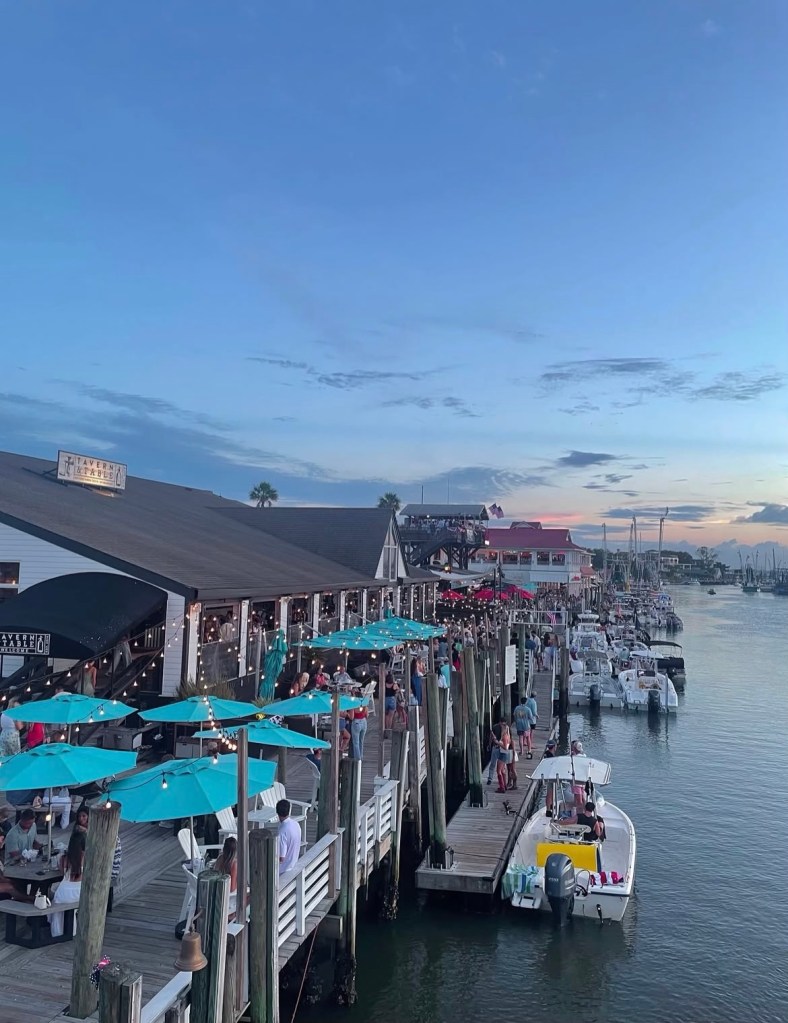
Again, she caused our child no harm; she observed from outside the ring of which there were three. We were stationed at “Sipping Post 2” along the lefthand side of the industrial cellar. These rings were roughly the size of a Mongolian grill, but with hibachi antics and a hick at the helm. Walls of mason jars surrounded us in rainbow colors of a candy store. Dylan and I couldn’t get over this was only five bucks.
Sugarlands separated themselves from the competition by offering crude commentary from their moonshine sommeliers and pouring thirteen quarter shots instead of twelve. They came at us fast too, quickly hole-punching our livers one by one: blueberry Eggo waffle, banana pudding, appalachian apple pie, chocolate cherry, pineapple upside down cake, root beer, blue raspberry, honey pecan, peppermint, butterscotch and that was before we got to the creams…
By the time our heads spun back around the tasting was over and we were drinking at the bar in the back. Mine had bourbon in it. Dylan’s eyes were growing wider for the shine had taken hold. Either that or he was plotting how to sucker us into more low lit taverns. He certainly could throw down with the best of them.
I happily obliged with a stop at Tennessee Stud where we popped fruity cider. Then back to moonshine at Ole Smoky. Inside some of their shots they had a corresponding solid to go with its flavor. Think hot pickles and peaches, which only added some texture to our depravity.
Somehow we ended up at Aldean’s, looking out on the rooftop as fog beset the blooming neon. Our heads were just high enough to breathe the crisp air over it. Dylan bought a couple rounds of Banquet tall-boys and I couldn’t finish the last one, so he did.
Ashley was having a lot of fun up until this point, but something sour welled up in her lip. We traded the rattling honky-tonk for a midnight calm. Dylan funneled to the rear so he could smoke his cigarettes without affecting Ashley or the baby—what a great uncle. But right after the green Heirloom sign, about a block from our room, she told me she was going to throw up. I asked her if it was better to do so out here where she nodded with her eyes closed.
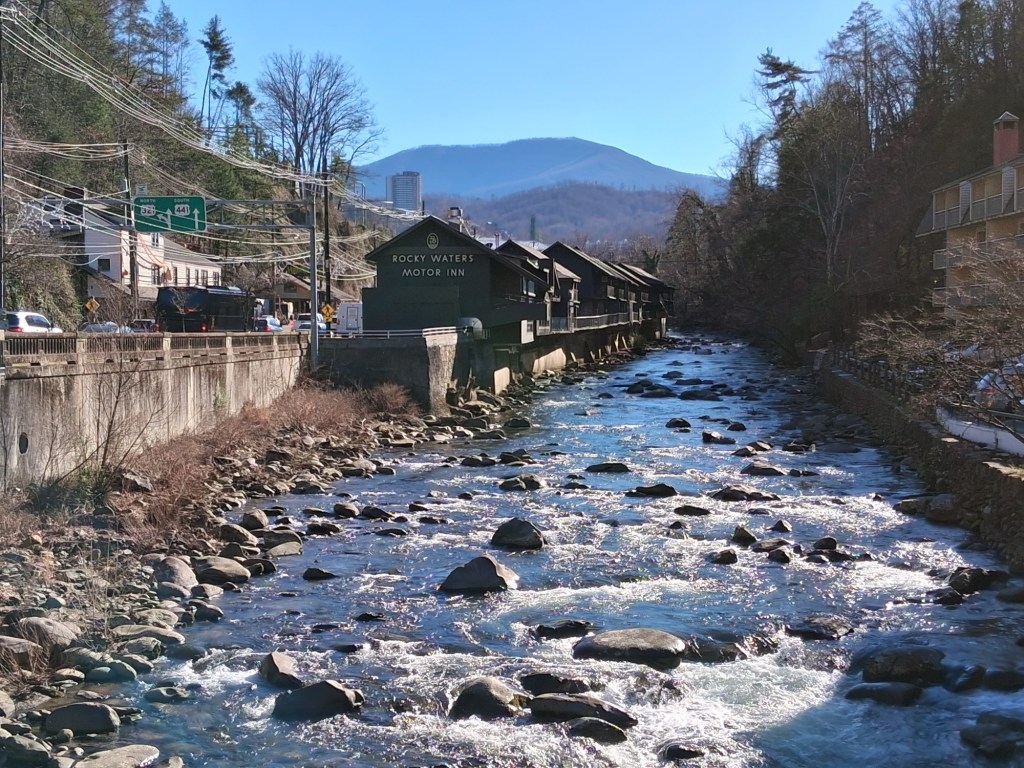
There was a light rain coming down on us. Dylan chucked away his cigarette into the sewer and came on the other side of his sister. She held the railing that looked out over the now gushing Little Pigeon River, then gave it all she had. It was equally an epic sight as it was ironic. I rubbed her back until she was done and felt much better. That remained the only time she threw up carrying our son, Derek the third.
Perhaps when he was here we could return and actually go to Dollywood, as a family, instead of being sloshed on moonshine. Either way, it was great to be a Dad.